
n. form of Buddhism emphasizing meditation and intuition. [Japanese, = meditation]
 ... , deep , pure , direct .anddirect , based onopenness ofmind andrenunciation of.selfhood thatisaffirmed inZen Buddhism “Zen perceives reality directly , inits “ suchness , ”wrote AWats “Tosee ... (Creative methods)
... , ”being integral parts of a whole Retreat from them - and envelop chaos and destruction " Zen philosophy teaches that our qualities can transform ordinary or. unusual parts of nature ... ... that our qualities can transform ordinary or. unusual parts of nature into beauty “ From a Zen point of view , which can also be. considered the Japanese way of perceiving the world ... (Ethnopsychology)
 ... (hears ) what he wants to see (hear ) -(.mystical practices of knowledge : yoga , Buddhism , Zen , hesychasm , etc ) If the technique created by man demonstrates such possibilities , perhaps . the person ... (philosophiya)
... , I perceive mythically ., poetically or symbolically all ordinary things It is like experiencing Zen There is nothing excluded and nothing special , a person lives . in the world of miracles all ... ... here It means living at a constantly high level in the. sense of enlightenment or awakening , or Zen in the lightness of the miraculous , but without something special . It means accepting the completely unintentionally ... (Developmental Psychology and Developmental Psychology)
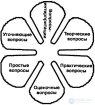 ... around There are many examples in the history when Chinese and. Japanese monks , practicing Zen , achieved spiritual enlightenment only from one .correctly asked question Here ... (Interrogation: Questions as Tools for Thinking and Problem Solving)
... at a new stage Negativism is reasonable as a method , says Suzuki , but the. highest truth is in the statement Zen denies any authority , the concept of "sacred ", which is. the statement "something highly positive ... (Psychology of creativity and genius)

Комментарии